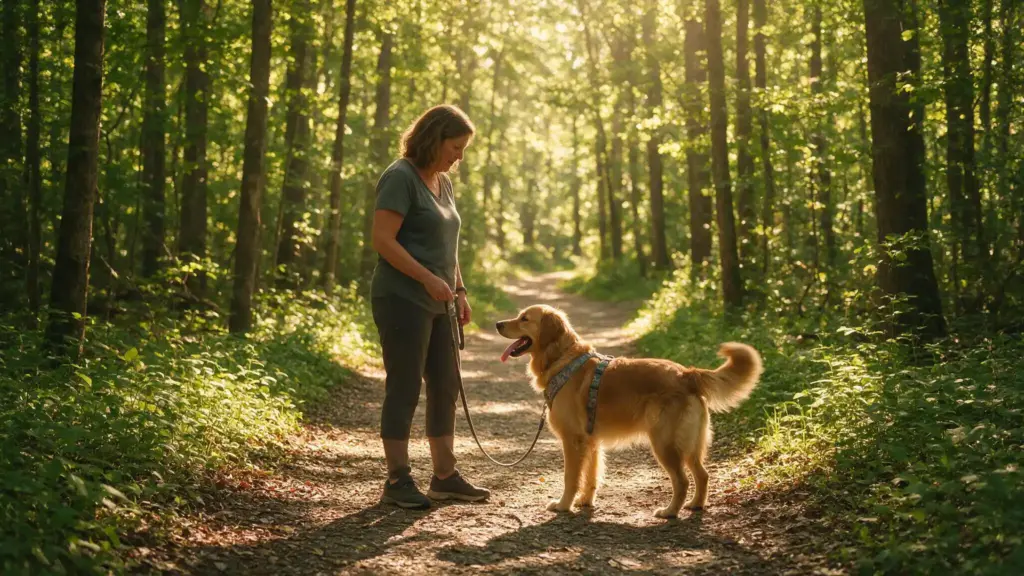
For years we’ve been told to restrict puppy exercise until the growth plates have fully closed. The rule of thumb has always been five minutes of forced exercise (ie a brisk leash walk) per month of age. I too promoted this guideline as I had been taught by my mentors. This mantra meant that puppies could not be doing big romps in the park, hikes through the woods or short jogs with their humans. We were told to, in a sense, bubble wrap our puppies to protect their joint health for future years.
The 5-Minute Rule: Myth vs. Science
It turns out this 5 minute per month of age guideline has absolutely no scientific basis to it. In fact, normal exercise is very beneficial to joint cartilage and overall health. It takes a lot to damage growth plates – the thing we’ve always been trying to avoid with restrictive exercise protocols. There is a good body of evidence to support this and for those looking for a deeper dive, this article by Dr Daryl Millis looks at some science on the subject.
How to Exercise Your Puppy Safely
Of course this is not permission to go all out with your puppy and do a five hour hike up the North Shore mountains. It is, however, permission to exercise your puppy in an appropriate way with an eye for signs of fatigue.
Signs Your Puppy is Overexerted
Fatigue can look different to different puppies but increased nipping/jumping, responding slower to cues, sniffing more, not wanting to take food (or taking food with a hard bite), disengagement, panting and lying down are signs to consider.
Managing Weight and Flooring for Puppy Joint Health
While exercise is good for puppies, weight and slippery floors are not. These are two environmental factors we need to control. There is nothing healthy about a chubby puppy and carrying around those extra pounds are not to the puppy’s advantage. Keeping puppies thin is important; this can be challenging since this is an age when we are doing a lot of training – and using a lot of treats. When using treats, make sure they are balanced and nutritionally complete, AND cut back on your puppy’s regular meal intake on heavy training days. My top 3 nutritionally balanced treats are: Sunday Pets; Ziwi Peaks Steamed and Dried; and Vital Essentials.
For young growing puppies, slippery floors are a hard no. Slipping and sliding can be damaging to those joints, especially when puppies get the zoomies. Put down cheap yoga mats, and rubber backed carpet runners for your puppy. When doing your puppy training sessions, make sure their footing is secure. If you see your puppy sliding into a down position from a sit, your floor is probably too slippery!
Training Your Puppy on Stairs Safely
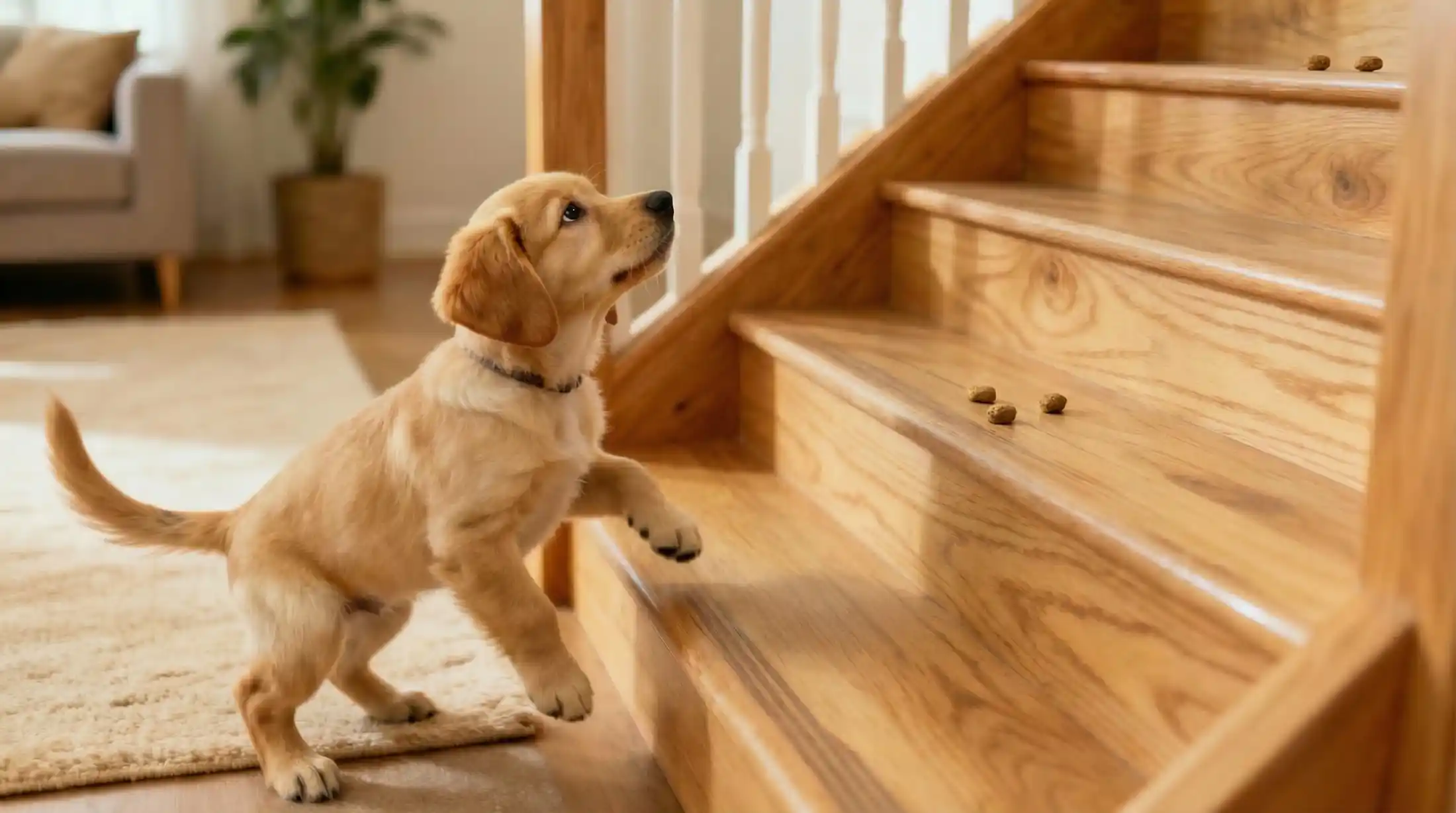
Stairs are another consideration. Puppies shouldn’t have free access to stairs (use baby gates here!). It takes good motor control to use stairs safely and for puppies this is a learned skill. A dog that rushes the stairs is a dog that hasn’t been taught to take stairs safely so take time and train it when your dog is a baby and it will be a skill for life! Start with your puppy on a leash and control their movement. You can put a treat on each step to slow them down and create thoughtful motor patterns. Like your floor, put non-slip material on your stairs if needed.
What to Avoid: Fetch, Jumping & Sharp Turns
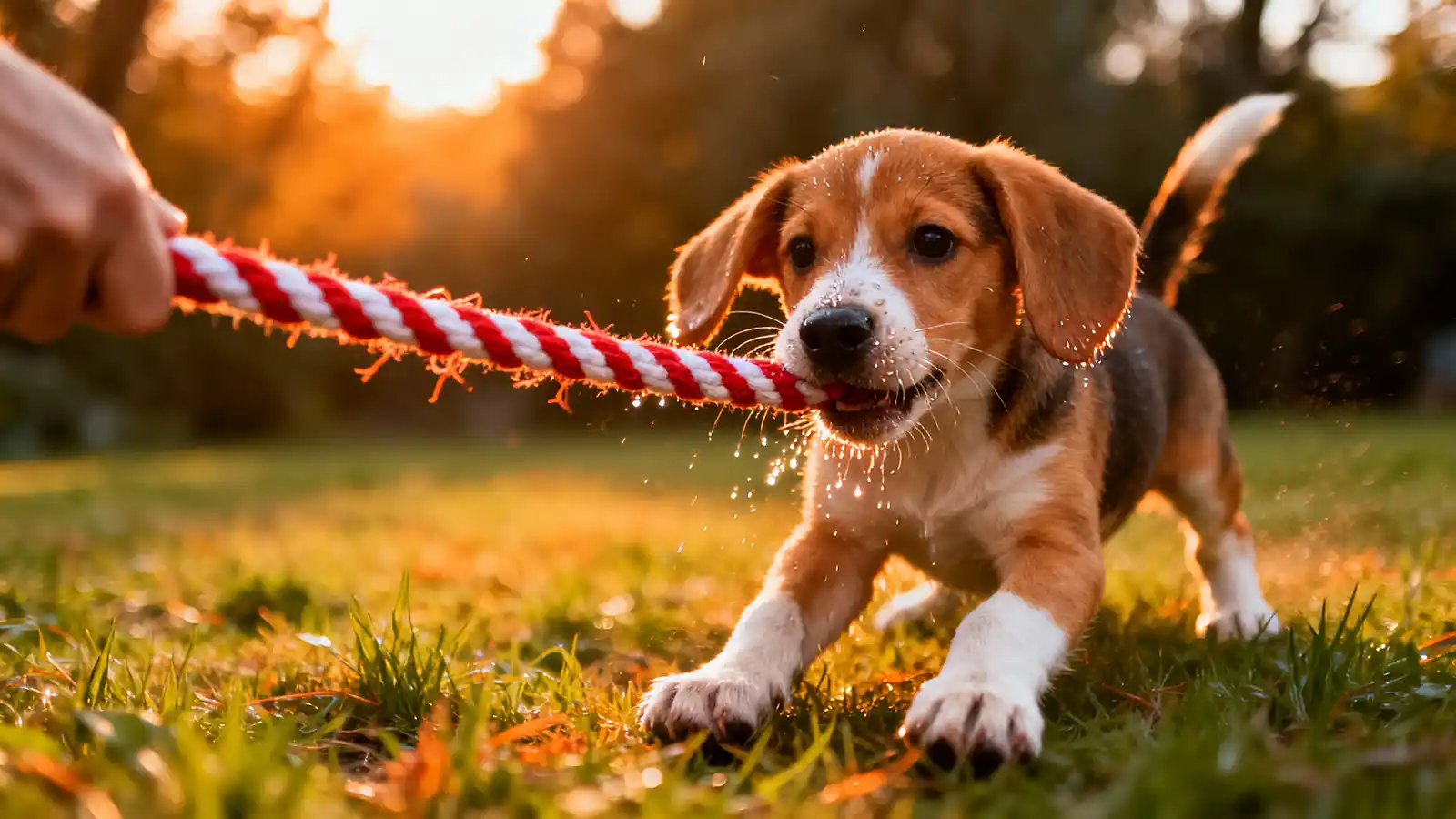
In your puppy’s exercise, you want to avoid them jumping off anything of height and doing sharp turns (especially on slippery grass). I am not a big fan of fetching as it creates those sharp turns as the puppy comes back with the ball. Better to teach your puppy to tug. It is a fantastic core exercise if you do it right and creates wonderful engagement. Plus – it gets them tired quickly! Wins all around.
Let Your Puppy Play: Building Strength & Coordination
Understand that dogs are built to run! Offer spaces for them to do that safely (a long line can be used if you don’t have such a space). And allow your puppy normal puppy play! Besides creating excellent coordination and proprioception (important for injury prevention), good daily play and exercise will help your puppy develop muscle, ligament, bone, tendon and cartilage strength.
Keep it moderate, and keep it fun!