Introduction: It’s Not Disobedience—It’s a Training Problem
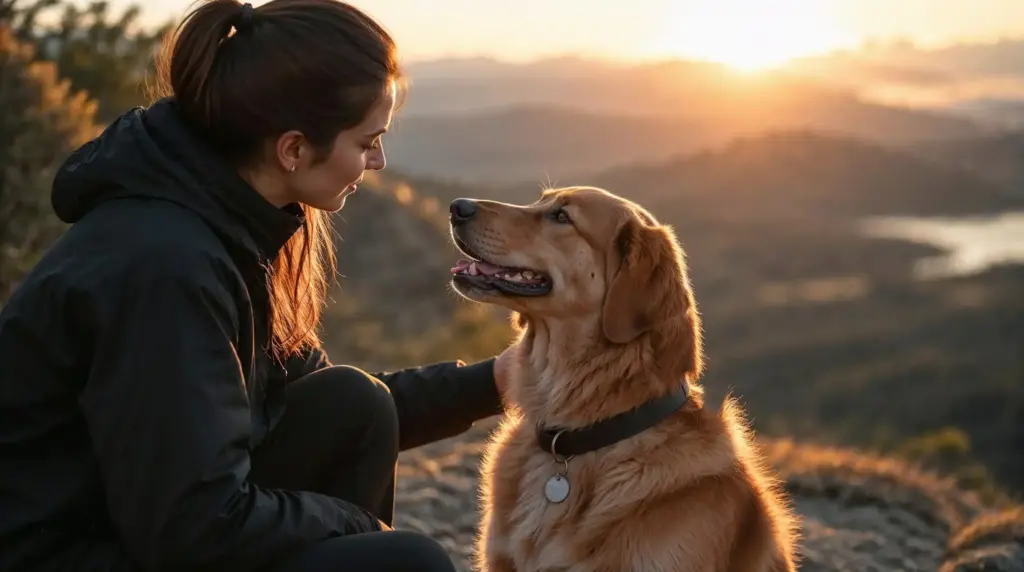
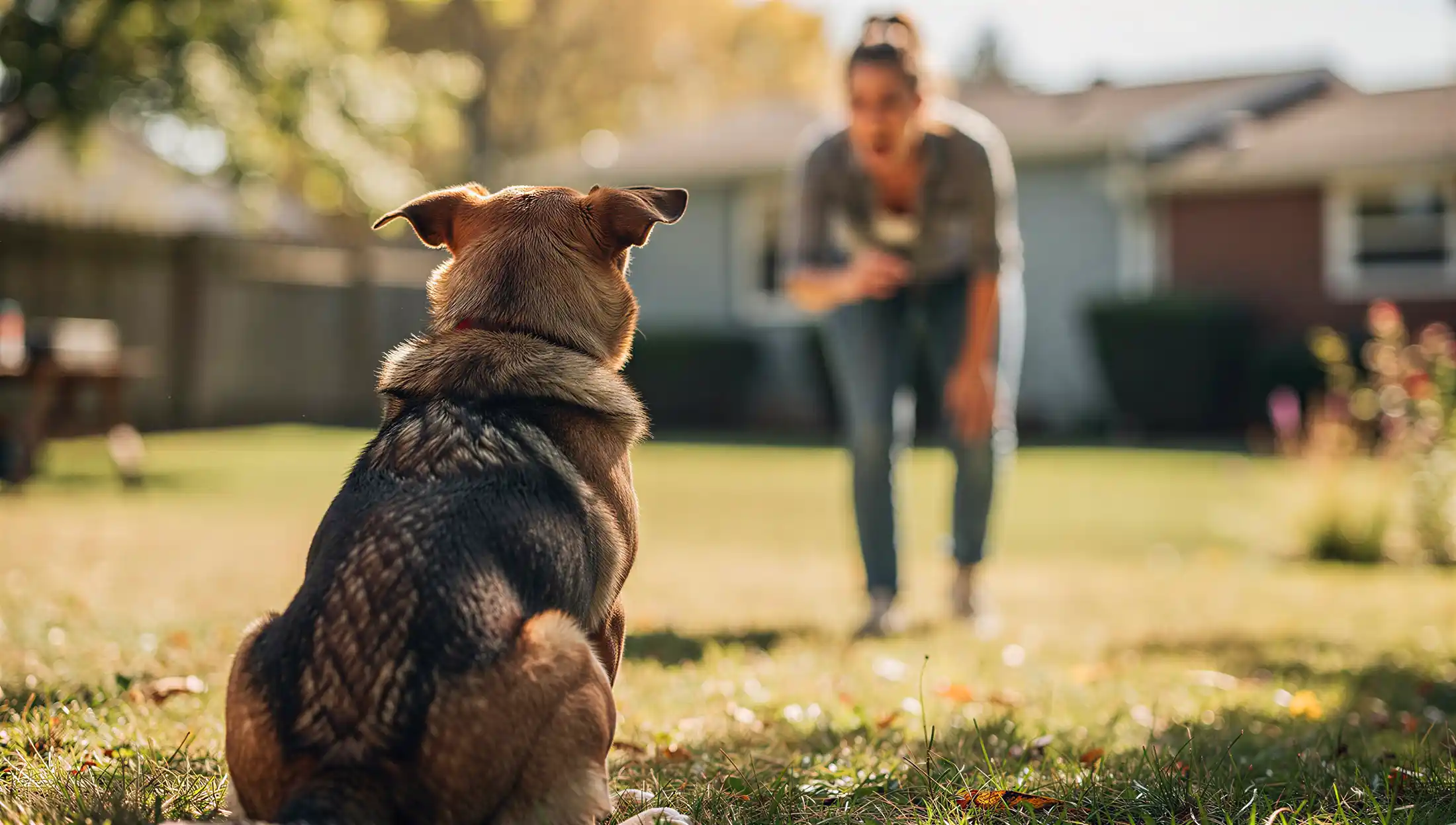
You call your dog’s name in the park, and they look right through you. You ask for a sit, and you get nothing but a blank stare. But the moment you pull out a treat? Suddenly, your dog is glued to you, hanging on every gesture.
If this scenario feels painfully familiar, you’re not alone. This is one of the most common complaints I hear from dog owners across Vancouver—from the bustling streets of downtown and Yaletown to the quieter neighborhoods of Kitsilano and Point Grey, from North Vancouver’s trails to the waterfront parks of False Creek.
Here’s the frustrating part: Your dog isn’t being stubborn or disrespectful. They’re not trying to negotiate or challenge your authority. What’s actually happening is far more scientific and, thankfully, far more fixable.
Your dog has learned that the visible treat is the real cue , not your voice or hand signal. They’ve developed what trainers call “food dependency”—a pattern where compliance only exists when food is obviously present. Without it, you’re essentially speaking a language your dog doesn’t recognize.
The good news? This isn’t a character flaw in your dog. It’s a predictable consequence of how you’ve trained them. And if training created the problem, training can absolutely fix it.
Understanding the Three Training Tools: Luring, Bribing, and Rewarding
Before we solve the problem, we need to understand how it started. Most dog owners mix up three distinct training tools, each with different outcomes. And this confusion is exactly why dogs end up ignoring handlers who don’t have visible treats.
Luring: The Teaching Tool
A lure is a piece of food held visibly in front of your dog’s nose to guide them through a physical movement. When you hold a treat at your dog’s chest and slowly draw it toward your body, their hindquarters naturally lower into a down position. This is luring, and it’s incredibly effective for teaching.
Luring is the right tool for the job—when used correctly and faded quickly. It reduces fear, builds confidence, and helps a dog understand the physical movement you’re asking for. A Border Collie learning their first down position? Luring is your friend.
Bribing: The Negotiation Trap
A bribe is something very different. It’s offering visible food upfront to force compliance when your dog has already chosen to ignore you. You see your dog heading toward a distraction, and you pull out a treat and wave it around saying, “Hey! Down! Look what I have!”
This teaches your dog something critical: Compliance is negotiable. If the payment is good enough, I’ll do it. If not, I’ll ignore you and wait for a better offer.
Your dog isn’t being mercenary—they’re being logical. You’ve literally taught them to evaluate whether your request is worth their attention.
Rewarding: The Learning Solution
A reward is food delivered after your dog completes the behavior you’ve asked for. The food stays hidden in your pocket until the moment your dog does what you asked. You give a cue, they respond, you mark the behavior (“Yes!”), and only then do you produce the reward.
This teaches your dog to solve problems: What does my handler want? What do I need to do to earn that reward? How do I get access to the things I want?
It shifts your dog’s brain from a negotiating mindset to a problem-solving one.
The TRAIN Framework: A Step-by-Step Path to Independence
This is where the magic happens. Once you understand the difference between these three tools, you can systematically transition your dog from food dependency to genuine cooperation. It’s called the TRAIN Framework , and it’s specifically designed to prevent the food-ignoring problem from developing in the first place—or to reverse it if it already has.
T: Teach the Position (Luring Phase)
Start with a high-value food lure to guide your dog into the physical posture. Your Border Collie needs to learn what “down” looks like? Hold a treat at their nose and guide them to the ground. Keep your hand movements smooth and consistent. This is pure instruction—no verbal cues yet.
R: Remove the Lure (The Critical Transition)
Here’s where most handlers fail. Once your dog understands the physical movement, you must immediately stop showing the treat. Your empty hand now mimics exactly what the luring hand did. No treat visible. No negotiation available.
Your dog will be confused at first. They’ll search for the treat. They might not do the behavior. This is normal. You’re retraining their brain to follow the hand signal, not the treat.
A: Add the Reward (Hidden Delivery)
The instant your dog completes the behavior on the empty-hand signal, you mark it (“Yes!”) and deliver the reward from your opposite pocket or pouch. This sequence is crucial:
Mark → Reach → Deliver
Your dog learns that compliance with the hand signal leads to the reward—not the presence of visible food.
I: Identify (Name the Cue)
Only once the empty-hand signal is reliable do you introduce the verbal cue. Say “Down,” pause exactly one second, then present the empty-hand signal. Repeat this hundreds of times so your dog learns to anticipate the hand signal when they hear the word.
N: Not Every Play Wins (Variable Reinforcement)
Once your dog is fluent with the cue in a quiet environment, you transition to a randomized reward schedule. Instead of getting a treat every single time, they get a treat maybe 8 out of 10 times. The other 2 times, they get enthusiastic verbal praise and affection.
This “slot machine” schedule—where rewards are unpredictable—is what creates resilience. It’s why people keep pulling slot machine handles. Your dog learns that compliance always leads to something good, even if it’s not always food.
Why Your Dog’s Brain Shuts Down in the Real World
Here’s a question that stumps a lot of handlers: “My dog knows this command perfectly at home, but in the park, they act like they’ve never heard of it.”
The answer isn’t stubbornness. It’s neurobiology.
The Sympathetic Nervous System Takes Over
When your dog enters a high-stimulation environment—a busy park in Yaletown, a crowded trail in Lynn Creek, the chaos of Commercial Drive on a Saturday—their sympathetic nervous system activates. Their body floods with adrenaline as if they’ve encountered a survival threat.
Here’s what happens next: Blood flow diverts away from their digestive organs and rushes to their skeletal muscles. Their pupils dilate. Their hearing sharpens. Their sense of smell amplifies.
And their gastrointestinal system essentially shuts down.
This means your dog is biologically incapable of eating or processing food rewards. This isn’t a choice. It’s physiology. You could wave the most delicious treat in the world, and their body simply won’t accept it. They’re in survival mode.
The Attention Gap: Environmental Rewards Beat Food Rewards
Even if your dog could eat the treat, there’s another problem: marginal utility . Your treat has become relatively worthless compared to what the environment offers.
That squirrel? High-value. That other dog across the park? Fascinating. That interesting smell on the ground? Captivating.
Your kibble? Boring. Available any time. Not worth turning away from the real action.
This is especially true if your dog is free-fed at home (food available all day in a bowl). Your dog’s biological need for food is already satisfied. When you’re competing against the stimulation of a park environment with a low-value treat, you’ve already lost.
This is the Attention Gap —the divide between what you’re offering and what your dog actually values in that moment.
The Relationship Operating System: Why Connection Is the Foundation
Here’s a truth that changes everything: Your relationship with your dog IS the operating system. Training techniques are just software.
Think about it. You can have perfect operant conditioning mechanics. Your hand signals can be flawless. Your timing can be impeccable. But if your dog doesn’t feel emotionally safe or connected to you, all of that falls apart the moment stress arrives.
Just like sophisticated software crashes without a functioning operating system, training techniques fail without a foundation of trust.
When a dog ignores you in a stimulating environment, a relationship-based approach asks a different question: “Does my dog feel safe enough in this environment to process my instructions?”
It’s not about dominance or obedience. It’s about emotional safety and communication.
The Three Social Needs That Build Real Connection
Relationship-based training works because it addresses three core social needs that all social mammals share:
To Belong: Your dog needs to feel like a secure, integrated member of the family. Not conditional on performance. Not dependent on having food. Just secure.
To Be Heard: Your dog communicates constantly through body language, stress signals, and behavior. When you listen and respond to these signals, trust builds. When you ignore them and force compliance anyway, trust erodes.
To Contribute: Dogs are collaborative animals. They want to work with you, not for you. They want to be part of something larger than themselves.
A transactional, food-dependent training model addresses none of these needs. It treats your dog like an employee working for minimum wage. A relationship-based model makes you partners.
Practical Interventions: Games That Build Real Focus
Now let’s get practical. Here are the games and routines that actually reverse food dependency and build a dog that wants to focus on you.
The Attention Game: Building Default Focus
This game has no verbal commands. It rewards your dog’s voluntary decision to look at you.
How it works:
Stand in front of your dog with no food visible. Deliver several rapid-fire treats directly to their mouth to establish engagement. Then place a treat by your toes on the ground.
Your dog eats it and naturally looks up at your face. The instant they make eye contact, drop another treat by your toes.
Head down, head up. Head down, head up. Repeat this for several rounds.
Then take a step backward. When your dog follows and looks up at you, drop another treat.
Over weeks, your dog develops a default habit: Check in with the handler. That’s where good things come from.
This is the foundation. Everything else builds on it.
The Name Game: Charging the Recall
Your dog’s name should never be used to nag or scold. It should be the most positive sound in their universe.
How it works:
In a quiet room, say your dog’s name in a happy, chirpy voice. The instant you say it, deliver a high-value treat directly to their mouth. Don’t wait for eye contact. Don’t wait for anything. Name = treat.
After dozens of repetitions, your dog hears their name and their brain lights up with anticipation.
Gradually, you take this to more distracting environments—the backyard, the street in Kitsilano, the off-leash area in Point Grey. Your dog’s name becomes a recall command that works anywhere.
Hide-and-Seek: Leveraging the Tracking Drive
This game taps into your dog’s most powerful instinct: their sense of smell.
How it works:
Ask your dog to sit and stay (or have a helper hold them). Slip away and hide somewhere simple—behind a door, around a corner. Call their name once.
Release them to find you. When they locate you using scent and hearing, your energy explodes. Crazy praise. Physical scratches. High-value play. Maybe treats, maybe not—the real reward is you .
This game reinforces that finding and connecting with you is the ultimate prize.
The Premack Principle: Using the Environment as the Reward
Here’s a game-changer: Stop fighting the environment. Use it as your reward.
Your dog wants to run out the front door to start a walk (high-probability behavior). Before they can bolt, require a calm sit-stay and eye contact. The instant they comply, open the door and release them to walk out.
The door opening is the reward.
Walking, they pull toward a fascinating bush (high-probability behavior). You stop and wait. Your dog releases the leash tension, sits, and looks back at you. You mark (“Yes!”) and give the release cue: “Go sniff!”
Over time, your dog learns: Focusing on my handler is the key that unlocks everything I want in the environment.
You’ve stopped being the person who restricts fun. You’ve become the person who grants access to fun.
Managing the Sympathetic Nervous System: Training in Real-World Chaos
Now we address the real problem: training in high-stimulation environments where your dog’s nervous system is already activated.
The Snapback Routine: De-escalating Arousal
This routine is designed for dogs who are getting reactive or over-excited.
When your dog spots a trigger (another dog, a jogger, a bike) and begins to tense, don’t tighten the leash. Don’t shout commands. Instead, execute a rapid, cheerful pivot in the opposite direction with a pleasant voice prompt.
Your dog, swept along by your predictable, safe movement, “snaps back” into engagement with you.
This prevents your dog from practicing reactive behaviors. It teaches them that you’re a proactive leader who will successfully navigate threats. And it works with their neurobiology instead of against it.
Environmental Management: Know When to Train
Sometimes the best training decision is to not train.
If your dog’s sympathetic nervous system is activated, you’re not going to overcome it with a more valuable treat. You’re fighting physiology.
Instead, manage the environment:
- Train when your dog is calm and alert (not hungry, not tired, not stressed)
- Choose quieter neighborhoods for early training: Kerrisdale, Strathcona, or Marpole rather than busier areas
- Gradually increase environmental distractions as your dog’s focus strengthens
- Accept that some days, the environment is just too much
This isn’t failure. It’s wisdom. You’re building your dog’s confidence progressively, not overwhelming their nervous system.
The Neuroscience That Proves Relationship Works
All of this isn’t just theory. It’s backed by neurobiology.
A landmark fMRI study showed that 13 out of 15 dogs demonstrated equal or greater brain activation to owner praise than to food. Their owner’s voice lit up the same reward centers as a steak.
Another study tracked dogs trained with reward-based methods versus aversive methods. Only the reward-based dogs showed a “secure base effect”—the ability to explore novel environments confidently while using their handler as an emotional anchor.
The difference? Dogs trained with reward-based methods maintained voluntary eye contact with their handlers. Dogs trained with pressure or punishment actively avoided looking at their handlers.
This isn’t metaphorical. It’s measurable neural activity.
Your relationship is a neurological reward system. It’s the most powerful training tool you have.
Bringing It Together: From Mercenary to Cooperative Partner
Let me be clear: If your dog ignores you unless food is visible, you haven’t failed as an owner. You’ve just used the wrong training framework.
The good news is that dogs are neuroplastic. Their brains are constantly reshaping based on experience. The food dependency you’ve built can be unbuilt. The mercenary dog can become the cooperative partner.
It requires:
- Eliminating bribery immediately. Food stays hidden until after the behavior is complete.
- Systematically fading lures within the first 10-100 repetitions of a new behavior.
- Introducing variable reinforcement schedules once the behavior is fluent.
- Building emotional safety and connection as the foundation of all training.
- Using environmental reinforcers so you’re not always the one holding treats
Advanced Strategies for Stubborn Cases
Some dogs have deeper food dependencies that require more specialized approaches.
The Toy Store Hack: Structured Environmental Exploration
This routine bridges the gap between controlled obedience and high-stimulation environments. Instead of demanding rigid heeling and constant commands, take your dog on a “sniff-and-stroll” in a novel, stimulating environment—an outdoor shopping plaza in Yaletown, a busy trail in Dunbar-Southlands, or the waterfront at False Creek.
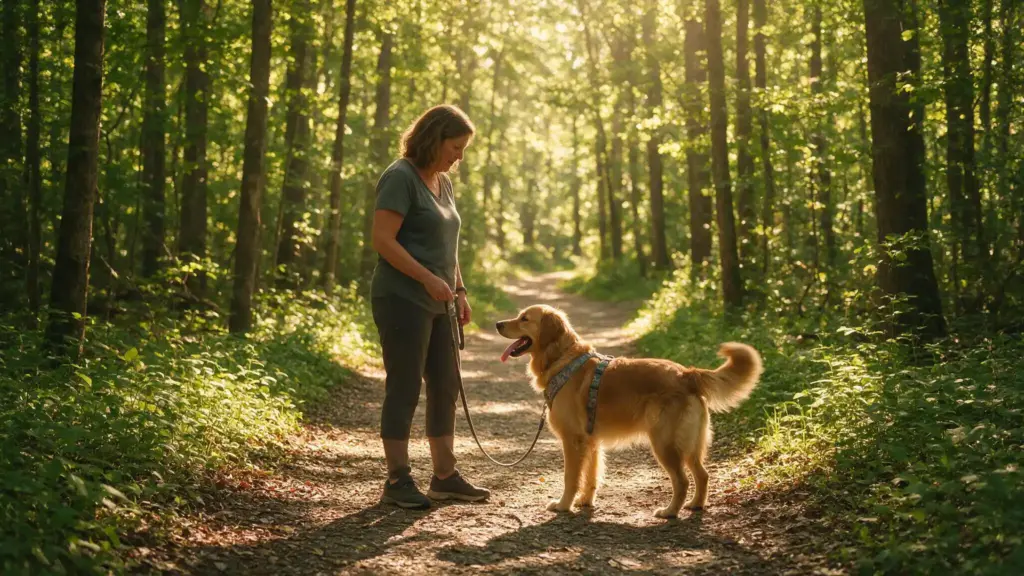
Allow them to explore within a safe radius on a loose leash. Walk alongside them as an active companion, narrating and validating what they’re experiencing. When they naturally check in or look back, praise immediately and allow them to continue exploring.
Your dog learns that walking with you is an enriching, shared experience—not a constant negotiation.
The Cooperative Exchange Program: Building Trust with Possessions
If your dog guards food or toys, traditional dominance advice recommends sticking your hand in their bowl to “show who’s boss.” This creates insecurity and defensive resource guarding.
Instead, use a cooperative exchange:
Phase 1: Present a neutral object they don’t guard. Let them sniff it. Take it away and immediately deliver three highly delicious treats, one after another, plus effusive praise. This teaches: Hands approaching my stuff = amazing things happen.
Phase 2: Gradually progress to more valuable objects, always maintaining the same sequence: take the item, then deliver treats.
Phase 3: For food bowl guarding, set down an empty bowl. When your dog looks confused, drop a small handful of food in. Once consumed, drop another handful. Continue until the meal is complete.
Your dog learns that your approach to the food bowl is a source of abundance, not scarcity.
Vancouver-Specific Training Challenges
Training in Vancouver’s diverse neighborhoods presents unique challenges that make relationship-based training essential.
Kitsilano and Point Grey: These beautiful, busy neighborhoods have high pedestrian traffic and significant environmental stimulation. A food-dependent dog will struggle here. A relationship-based dog with solid focus will thrive.
Commercial Drive and Downtown: The urban density and constant novelty require a dog that chooses you even when the environment is screaming for attention. Food bribery doesn’t work here—relationship does.
False Creek and waterfront parks: Off-leash areas with water, wildlife, and countless distractions demand genuine cooperation, not transactional compliance.
North Vancouver trails (Seymour, Lynn Creek, Upper Capilano): Recall reliability in wilderness settings depends entirely on your relationship. When your dog disappears into the forest, no treat will bring them back—only trust.
Burnaby and Richmond parks: The mix of urban and natural spaces requires a dog who’s equally focused in chaos and calm. This is relationship-based training in action.
The handlers I see succeed across all these neighborhoods aren’t using bigger treats. They’re using stronger relationships.
The Mindset Shift: Reframing the Problem
Your dog ignoring you isn’t a character flaw. It’s not defiance or stubbornness. It’s not a sign that your dog doesn’t love you.
It’s a communication problem. You’ve been speaking a language your dog doesn’t understand: “Listen to me when food is visible. Ignore me when it’s not.”
Your dog has learned this language perfectly.
The fix isn’t a better treat. It’s a better conversation.
When you shift from “My dog won’t listen unless I have food” to “My dog wants to connect with me—I just need to learn how to ask,” everything changes.
Your dog wants to cooperate. They’re born with a genetic predisposition toward human partnership. They want to be part of your team. They want to explore the world with confidence because they know you have their back.
You’re not trying to force compliance. You’re inviting collaboration.
Ready to Build a Real Connection?
Food-dependent training might get you occasional obedience. Relationship-based training gets you a partner for life.
Whether you’re navigating the bustling streets of Yaletown, the quiet charm of Kerrisdale, the urban energy of Commercial Drive, or the natural beauty of West Vancouver’s Ambleside, your dog deserves a handler who speaks their language.
Zen Dog Canine Training specializes in relationship-based training that transforms mercenary dogs into cooperative partners. Our trainers understand the neurobiology behind food dependency. We know how to systematically fade lures, build variable reinforcement schedules, and create emotional safety that makes your dog want to listen—even without treats.
Whether you need:
- Life Skills Programs – Build a stronger bond and reliable obedience with our comprehensive group classes
- Private Training – Get one-on-one expert guidance tailored to your schedule and your dog’s specific needs
We’re here to help you create the cooperative, confident dog you’ve always wanted.