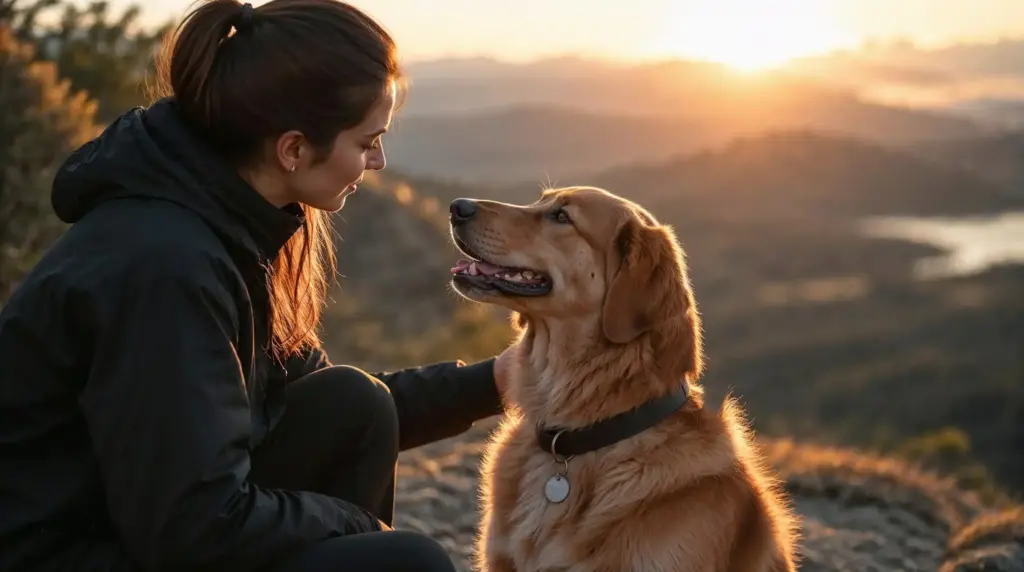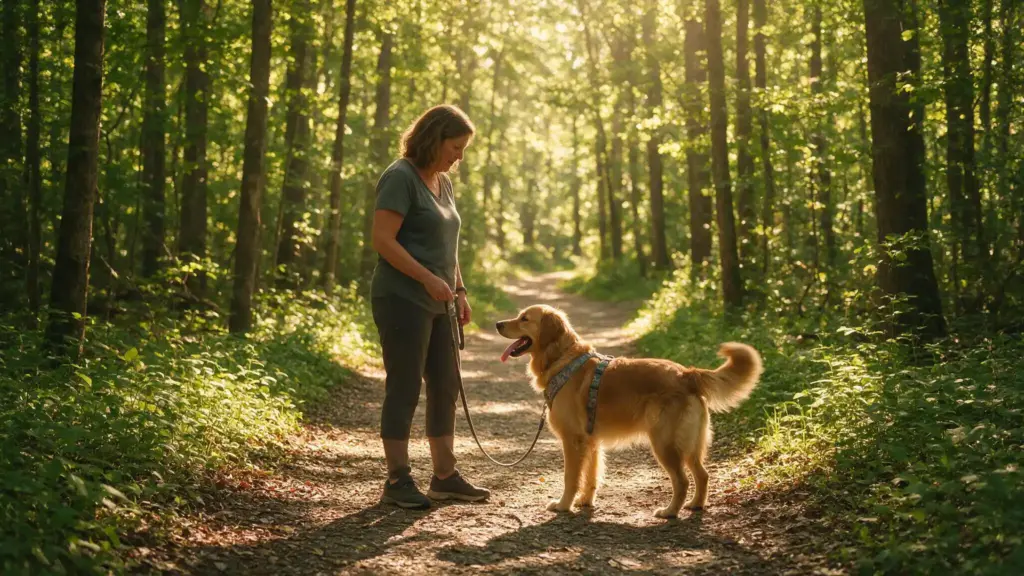
This blog is for my many wonderful clients in Vancouver, the North Shore, Burnaby, and throughout Metro Vancouver who are bringing a new dog home from a rescue organization or shelter. It is the beginning of a new journey and so much of its tale will unfold over the next few months. What happens early in this adventure really sets the stage for a smooth transition.
While it is tempting to give the whole world to your new dog, an intentional and conservative approach (think: slow is faster) works better in the long run.
The Critical Decompression Phase: First 72 Hours
Those first three days are a critical decompression phase; you want to make your dog’s new world as small as possible. If you have a backyard, that should be the extent of your dog’s outings. Otherwise, short potty trips up the block and back, while keeping things quiet inside for the first 72 hours will help your dog shed the immense stress that comes with the loss of his old life (possibly the stress from shelter living) and adjusting to an unfamiliar new home. Dogs crave predictability. Without it they feel unbalanced. As your dog comes to feel safe, he will find bonding with you and learning from you much easier!
Take your time.
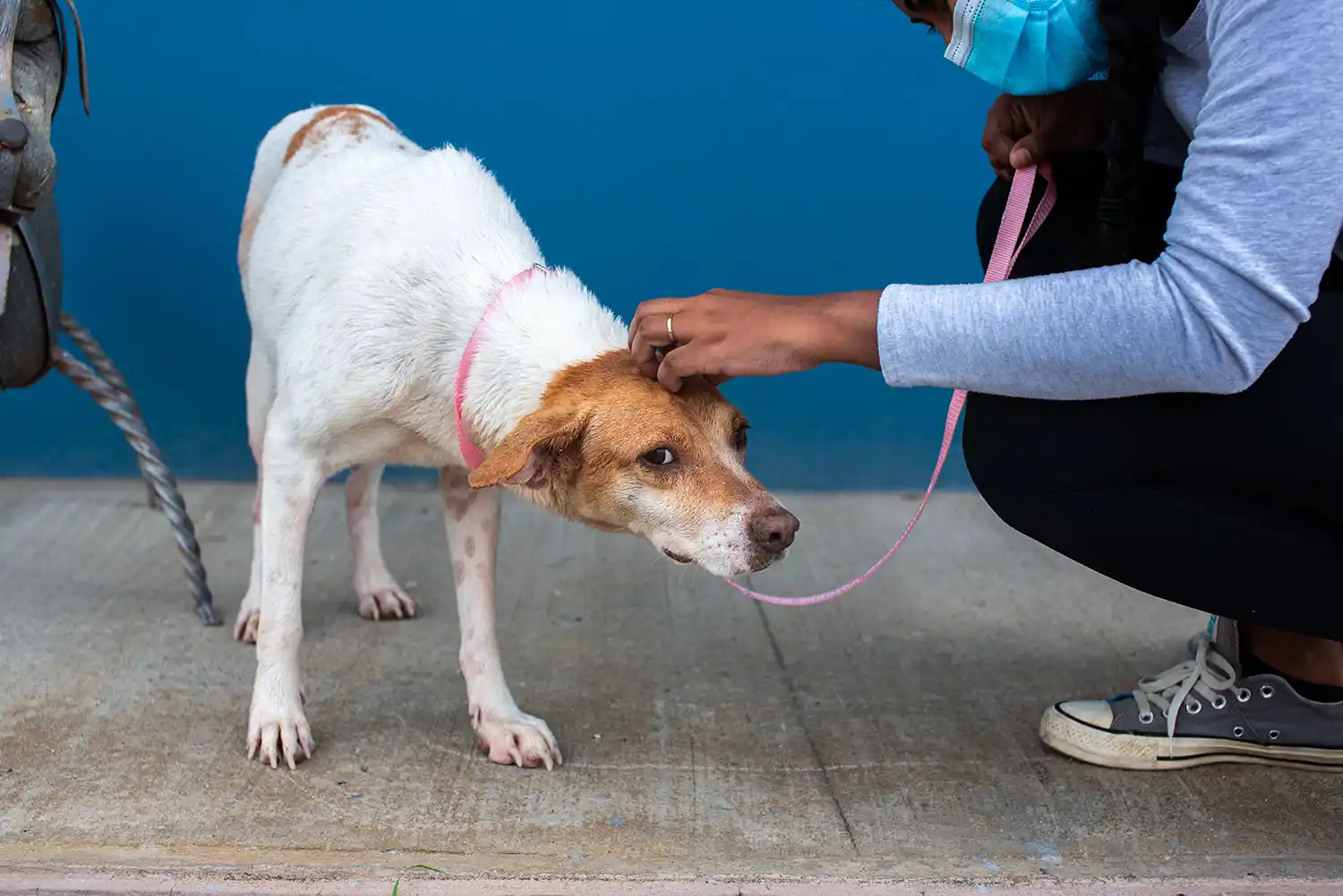
Managing Emotions: The Happy Cup Strategy
It is in those first few days you will want to protect your dog from attaching “bad” feelings to things as much as possible, as these feelings can generate behavioural problems. I like to think of dogs as having a happy cup and an unhappy cup. Keep things in the happy cup; generally that means less is more. By not overwhelming your dog, there is less for him to develop strong feelings about! Keep your house quiet and avoid having too many guests visit to meet your new dog.
Building Predictable Routines for Your Rescue Dog
You want to create simple routines: a meal schedule, potty breaks (where and when), rest and sleep times, and simply being with you while learning your habits. Be thoughtful with introductions to all the people and other animals in your new dog’s life, and don’t entirely trust the shelter’s assessment. How your dog behaves in a shelter and how your dog behaves in his new home could be very different.
Essential Management Systems: Safety First
Eliminate opportunities for bad habits to form by ensuring you have good management systems in place both inside and outside the house. Setting up baby gates, an exercise pen, or a crate (if your new dog is comfortable with it) is essential for managing access within the home. Make sure your leash, collar and harness are escape-proof as well! Get good quality gear that fits properly: a strong buckle or martingale collar, the Blue 9 Balance Harness and a proper leash (I recommend the Gripper) are good recommendations. I suggest clipping the leash to BOTH the collar and the front clip of the harness so your new dog cannot escape. I have had more than a few clients lose their new dog this way.
Tight management isn’t forever but it is essential in the beginning until you have developed a relationship together. The dog must know the rules first before you allow him to break them!
The Three-Week Mark: When Your Dog’s Personality Emerges
Apart from those first three days, it will take your dog about three weeks to start settling in. This is the end of the “honeymoon” stage that is frequently discussed. After the first few weeks you will see your new dog reveal more of his personality. He will feel less inhibited and more comfortable responding to his environment in a way true to his nature.
Starting Relationship-Based Training Games
As part of the early routine, you can start building in daily training games that introduce learning with reinforcement and working with a human. Keep the bar low and have fun. As first steps, I recommend introducing specific reward markers, pattern games, and leadership exercises, rather than rote obedience. Introduce concepts of play if your new dog is keen and use a variety of enrichment activities to create a positive connection with you as the source of all things fun. Relationships are built on leadership and association—both involve training.
When to Work with a Professional Dog Trainer
It can be helpful to work with a trainer in Vancouver or the surrounding areas at this time to get some specific guidance on setting up suitable training exercises that work with your new dog’s personality and areas needing improvement. Private lessons do a better job of creating a tailored program to build those early life skills.
Introducing Your Rescue Dog to the Rising Stars Program
For new rescue dog owners in Vancouver and Metro Vancouver, my Rising Stars program is created just for this! It gives my new rescue dog clients a wealth of lifestyle and training information to support a new shared life together. This three-lesson curriculum includes a Zoom consultation plus two private lessons in your home or neighborhood—designed specifically to address the hurdles your newly adopted dog needs to overcome.
Rising Stars covers:
- Use of markers in training
- Shaping exercises as confidence builders
- Introduction to reinforcement strategies
- Leash skills and management techniques
- Customized exercises for your unique dog
Course Cost: $480 + GST | Available anytime to get started
Final Advice: Patience Builds the Foundation
The biggest piece of advice I can give a new dog owner is to take time. Allow your dog to show you that he is ready for more. Resist the urge to show him everything all at once and to demand too much from him by placing him in challenging environments without the training and trust to guide his behaviour. You may need to sort through some bigger challenges as they come up, but behaviour is rooted in the environment we choose for our dog, so make thoughtful choices. This approach ensures the success we all hope for when welcoming a new dog into our life.