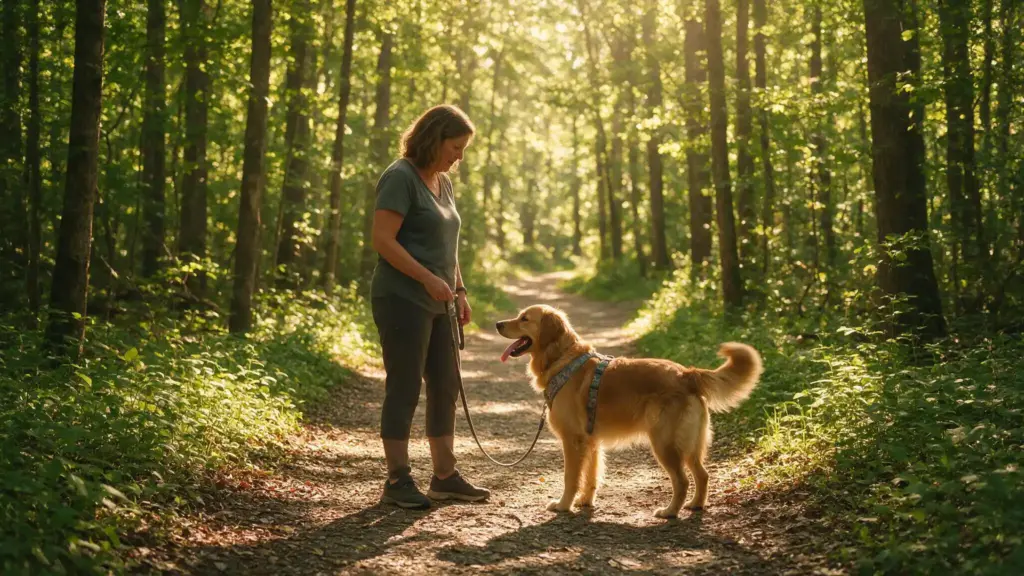
Understanding Fear Periods in Puppies
For those of you reading my blogs, you know that I have a puppy. She is now 8 months old, running smack dab into adolescence with all its brain and hormonal changes influencing her behaviour. Of all the dogs I’ve shared my life with, Astra has been a breeze so far. This is largely due to her breeder, the genetics of Astra’s parents, and the exceptional upbringing given to her and her siblings before the litter landed in their forever homes. Like her brothers and sisters, Astra is confident, happy and well-adjusted and resilient to stress.
All that said, I am prepared for the typical occurrence of a puppy fear period (or two) to arrive on our doorstep. Being a border collie, a breed somewhat prone to fear behaviors and reactivity, Astra might hit a stage where the world suddenly feels a little less safe to her. With the history of a few previous puppies behind me, I am aware of and prepared for this common developmental window.
Fear periods are a normal part of puppy development. Depending on the puppy’s temperament, this can be a minor blip in the adolescent landscape or a much larger minefield to navigate. Fortunately, my puppy Astra has shown very little fear in general, other than the occasional reaction to, say, a suitcase randomly sitting in the laneway or a neighbor’s lawn ornament – nothing that I would classify as a fear period per se. Historically, however, I have had two dogs who really struggled with fear periods and we continued to struggle on and off until both dogs were about two years of age. They survived adolescence just fine and developed into confident adult dogs, but it took some understanding from me along the way to see through the tough patches.
What Are Fear Periods in Puppies?
Fear periods are short term windows of cogitive and developmental change. You can assume your puppy is in a fear period if they suddenly react to everyday people, animals, objects and situations they previously accepted without issue. You might notice intense reactivity, avoidance, or an inability to settle. The classical age for fear periods is between 6 and 14 months, and the duration typically lasts about 2 to 3 weeks. You might see that your puppy is suddenly wary of things, suddenly spooky and easily startled.
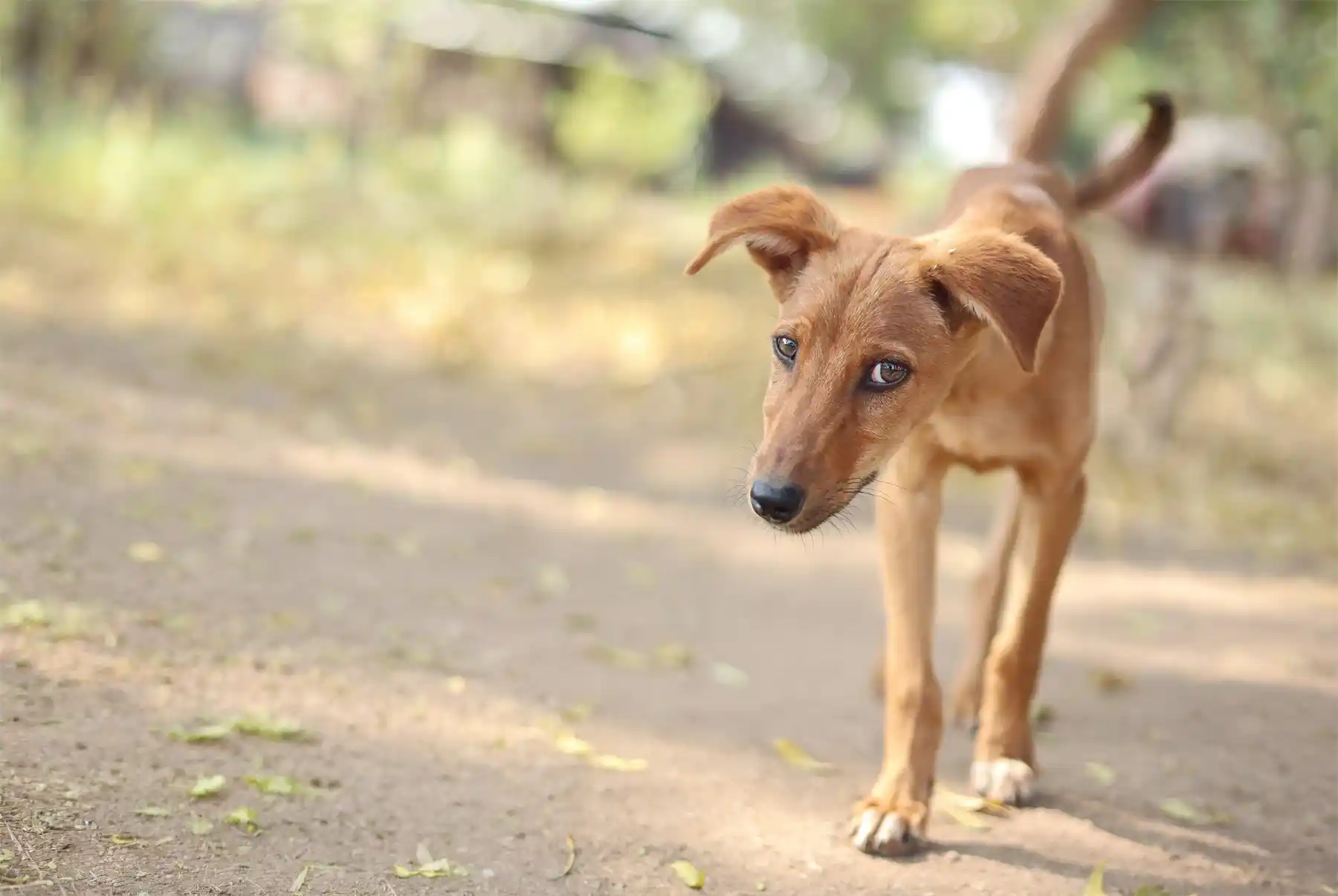
Why Do Puppies Go Through Fear Periods?
This stage DOES serve a functional purpose so accept it for what it is. As puppies mature, their brains reorganize and change, preparing them for greater self-sufficiency by looking for patterns of what is safe and what is dangerous or should be avoided. It’s all a part of growing up.
How to Help a Puppy During a Fear Period
From the human side of things, how we handle fear periods is critical to prevent undesirable behaviours from becoming permanent. I don’t advise “working through” the issue; rather, I prefer to leave things alone for a couple of weeks if possible and then revisit how my puppy behaves with that trigger. A bit of space from the environment that caused the fear is not avoiding the issue; it is simply protecting my puppy from any negative associations. Working through an issue usually involves repeated exposure to the trigger and can make things worse—especially when it can naturally go away on its own.
During this period I am also careful not to make training overly challenging; my goal is to build confidence and make training exercises easier so my puppy achieves success. I might revisit some foundational pieces that my puppy really enjoyed and excelled in. There will be time later to challenge understanding through proofing and introduce more difficult concepts. I always end with a good play session. Ending a training session with my puppy having good feelings is the most important thing to me – not necessarily achieving success in the exercise.
Keep Training Positive and Predictable
It goes without saying that we want to keep training highly positive (reinforcement based) for a puppy but especially so at this time. I ensure sessions are super short and held in an easy environment that I can manage (avoiding the things my puppy has identified as triggers). I take zero risks during this period. Any bad experiences or encounters can have lifelong adverse fallout so I am really cautious about what I expose my puppy to. I like to stick to familiar routines and keeping things predictable.
When to Seek Help for a Fearful Puppy
Hopefully the training foundation and early socialization you provided your puppy before 16 weeks will support you both through this stage. Drawing on a relationship based on clarity, trust and predictability, your puppy should come back to a place of feeling safe in her world. However, if you are not seeing the fear period in your puppy dissolve over 2 to 3 weeks from onset, or if the fear is getting worse, it is time to consult a trainer or behaviourist for guidance. Getting help early increases your success in resolving real problems that might not go away on their own.
Help Your Vancouver Puppy Build Confidence
Fear periods can feel unsettling, but you don’t have to navigate your puppy’s changing behaviour alone. Zen Dog Canine Training supports Vancouver families with relationship-based guidance that helps puppies feel safe, understood and ready to learn.
Whether your puppy needs a positive start through Kindergarten, support transferring skills outdoors with Puppy Grade One, confidence-building park games in Puppy Grade Two, or personalised help at home through Puppy Jump Start, there’s a developmentally appropriate way forward.
Start building the trust and practical skills that will support your puppy through adolescence and beyond.